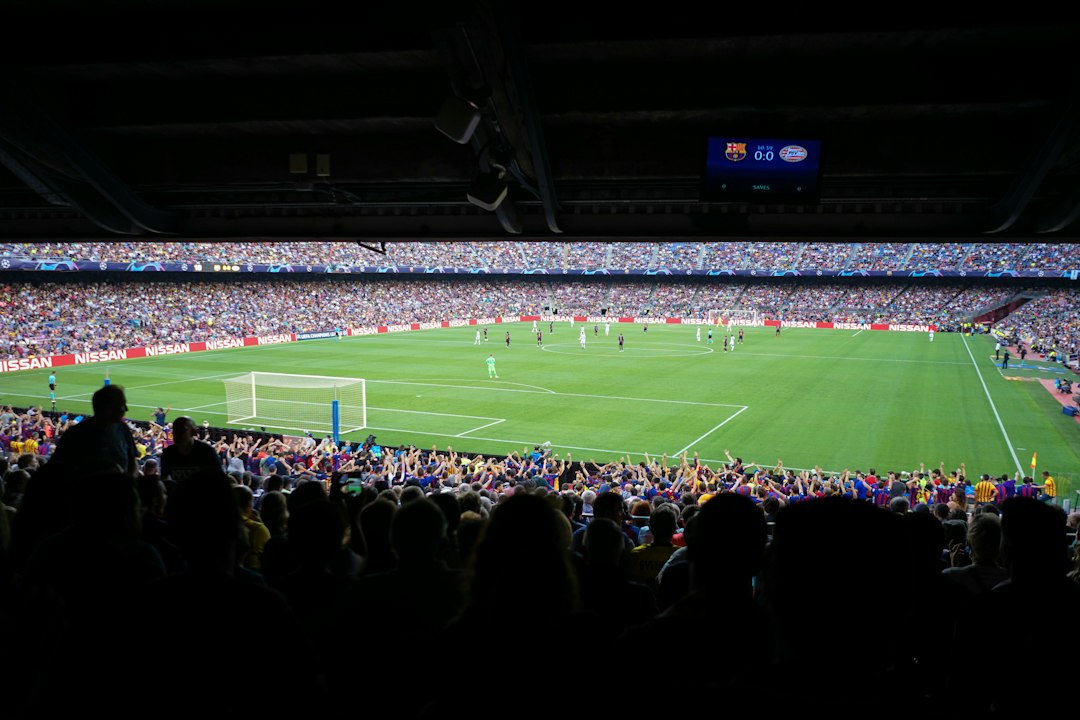
Every round of the UEFA Europa League brings a fresh wave of analysis questions. Which group-stage sides carry momentum into the knockout phase? How do domestic league positions affect European performance? What do the underlying numbers suggest about a team’s attacking or defensive shape? This article walks through the key factors that shape Europa League predictions, giving you a structured approach to understanding each match before it kicks off.
Table of Contents
Why the Europa League Demands a Different Analytical Lens
The Europa League occupies a unique space in European club football. Unlike the Champions League, where squads are typically deeper and financial resources are more evenly distributed among participants, the Europa League draws together sides from vastly different footballing cultures and league structures. A mid-table Serie A club might line up against a domestic champion from a smaller federation, and their respective form tables tell very different stories when placed in context.
One of the first things any thoughtful analyst considers is squad rotation. Managers use Europa League fixtures to rest key players ahead of weekend league action, which means the eleven that starts on a Thursday night can look quite different from the one that plays on Sunday. Checking confirmed lineups, injury reports from pre-match press conferences, and a club’s stated priorities in a given week is essential before drawing any conclusion about a match.
League Position as a Contextual Tool
A team sitting third in their domestic league is not automatically stronger than one sitting eighth in a higher-division competition. Comparing league tables across different countries requires understanding the competitive level of each division. Swedish or Scottish sides entering the group stage have often navigated qualifying rounds, which means they arrive with rhythm and match sharpness — something that can counterbalance a statistical deficit when measured purely by domestic ranking.
Reading Head-to-Head Records in European Competition
Head-to-head history is a useful reference point, though it comes with caveats. European records between clubs can stretch back decades, and the squads, managers and tactical systems involved may bear little resemblance to those competing today. A head-to-head record becomes more meaningful when it is recent — within the past two or three seasons — and when the competitive context was similar.
For group-stage analysis, look at how each side performed in their most recent European campaign at a comparable level. Did they concede frequently on the road? Did they tend to play more conservatively in away legs? These tendencies often carry forward and can inform how a match is likely to unfold tactically.
Away Legs and the Two-Match Equation
The knockout rounds of the Europa League are structured around two-legged ties, which adds a layer of tactical nuance that single-match competitions do not require. A side holding a one-goal advantage from the first leg may set up with a deeper defensive shape in the return fixture, inviting pressure and looking to hit on the counter. This changes the nature of any analysis significantly.
When examining over/under goal markets for the second leg, the scoreline from the first match is perhaps the most important variable. A 2-0 home win typically produces a more conservative second leg than a 1-1 draw, which tends to generate a more open encounter. Understanding this dynamic is central to making sense of any market movements around those fixtures.
Tactical Profiles and Their Impact on Match Outcomes
Each Europa League side enters a campaign with a recognisable tactical identity, though the best managers adapt their approach based on the opponent and the context. Some sides, particularly those from the Bundesliga or Eredivisie, favour high-pressing systems that generate a high number of shots on both ends of the pitch. Others, particularly those with experienced defensive structures from La Liga or Serie A, are more conservative in transition.
A common analytical approach is to look at a team’s average shots allowed per game versus the shots-on-target figures of their opponent. A high-pressing side facing a technically refined passing team may find themselves stretched defensively, which can influence predictions around both-team-to-score markets. For context, BTTS (Both Teams To Score) is simply a market that asks whether both sides will register at least one goal, regardless of the final scoreline. It is a useful lens when two attacking sides meet, or when a defensive structure is known to be weakened by injuries.
Injury and Suspension Factors Across Europa League Rounds
Injuries and suspensions carry significant weight in Europa League analysis, particularly in knockout rounds where the margins are tight. UEFA applies its own rules regarding yellow card accumulations across group stages, meaning a key midfielder suspended for a second leg can fundamentally alter how a manager sets up.
Before any match, reviewing the official UEFA match delegate reports and each club’s official press conference notes is the most reliable route to understanding availability. Reliable sources include the clubs’ own websites and UEFA’s competition pages, rather than social media rumours. A central defender missing through suspension in a tight knockout encounter can shift the expected defensive stability of a side considerably.
Goalscoring Patterns and Set-Piece Dependency
Some Europa League sides are heavily reliant on a single striker for their goal threat, while others distribute scoring responsibilities across the squad. When the primary goalscorer is absent through injury or suspension, the expected goals output changes accordingly. Separately, clubs that score a high proportion of their goals from set pieces — corners, free kicks and penalties — may remain a threat even if their open-play output is restricted by an organised opposition.
Reviewing a team’s set-piece data over their last ten matches, both for and against, provides meaningful context that raw goal tallies sometimes obscure.
How to Interpret the 1X2 Market in Europa League Matches
The 1X2 market is the most straightforward available for any football match. A “1” represents a home win, “X” a draw, and “2” an away win. In the Europa League, the home-advantage factor is worth examining carefully. For clubs from smaller leagues playing at grounds with strong atmospheres, the home advantage can be considerable. For larger clubs rotating their squad and treating the match as secondary to league obligations, the same advantage diminishes.
A Double Chance market, for those exploring it conceptually, allows a selection to cover two of the three possible outcomes — home or draw, away or draw, or home or away — which narrows the range of uncertainty when the match feels difficult to read from a single-outcome perspective. It is simply a broader market structure, not a prediction tool in itself.
Frequently Asked Questions
What information is most useful when analysing Europa League matches?
Squad availability, recent domestic form, head-to-head history in European competition, tactical identity and any confirmed injury or suspension news are the most relevant starting points.
Does home advantage work the same way in the Europa League as in domestic leagues?
Not always. Clubs from high-profile domestic leagues may rotate heavily for European midweek fixtures, reducing the effectiveness of home advantage compared to standard league matches.
How do two-legged knockout ties change match analysis?
The scoreline from the first leg significantly influences how both sides approach the return. A team with a comfortable lead tends to set up more defensively, which generally affects the expected number of goals in the second match.
What does the Over/Under market measure in football?
Over/Under is a market based on the total number of goals in a match. An Over 2.5 selection, for example, requires three or more goals to be scored across both sides for the full ninety minutes plus any added time.
Predictions are opinions based on analysis, and no result is guaranteed. This website is for adults aged 18+ and is for information and entertainment only.
Find today’s most trusted football betting tips waiting for you on the BettingTips homepage.