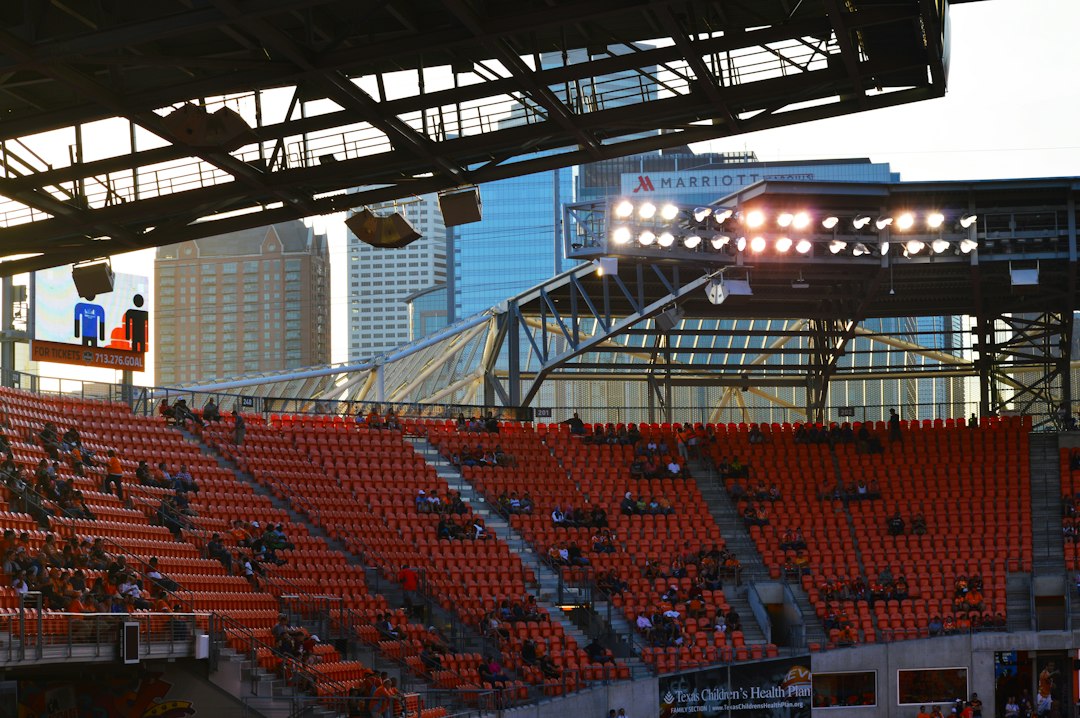
As October 12, 2026 rolls around and the domestic football seasons across Europe hit their critical mid-section, one pattern keeps asserting itself in the data: certain clubs have transformed their home stadiums into near-impenetrable fortresses. But knowing which teams have strong home form is only half the battle. The real edge for bettors lies in understanding why they dominate at home, what types of markets that dominance actually translates into, and crucially, when the fortress walls show cracks.
Table of Contents
This analysis goes beyond a simple ranking list. We are going to dig into the structural, tactical, and statistical layers that separate genuine home fortress teams from sides that merely look good on paper.
Why Home Form Means Different Things in Different Leagues
Before placing a single bet based on home record alone, you need to understand that home advantage does not operate uniformly across European football. The contextual weight of playing at home varies dramatically depending on league culture, travel distances, and crowd intensity.
In the Bundesliga this season, Bayern Munich continue to make the Allianz Arena a deeply uncomfortable place for visitors, averaging 3.1 goals per home game and conceding fewer than 0.7 per match. That kind of dominance makes them viable in Asian handicap markets, not just simple match result betting.
Meanwhile in Serie A, Inter Milan at San Siro are putting up similarly dominant numbers, but their style is more defensively structured. Their home games average 2.1 goals total, which makes the Under 2.5 goals market far more relevant despite the fact that they are winning just as convincingly.
In the Premier League, Arsenal at the Emirates are posting a home win rate pushing 82% this season, but with average margins of just over one goal. That opens up value in first goalscorer markets and both teams to score rather than simply backing them on the match result at deflated odds.
The Tactical Blueprint Behind Home Fortress Teams
The strongest home teams in 2026 share a few consistent tactical traits. They press higher at home because the crowd energy gives players an extra gear. They transition faster because familiarity with the pitch dimensions and the backing of home support reduces decision hesitation. And they control tempo more effectively because opponents, aware of the crowd, tend to sit slightly deeper.
Understanding this gives you a market insight. Teams pressing high at home create more corners, more set pieces, and more early goals. If you are betting on Arsenal, Bayern, or Inter at home this season, early goal markets and corner totals have been consistently profitable angles.
Reading the Numbers That Actually Matter
Raw home win percentages are a starting point, not a destination. The metrics that matter most for bettors are points per home game, goals scored and conceded per home match, average possession at home versus away, and importantly, the quality of opposition they have already faced at home this season.
Bayern Munich sit at 2.85 points per home game this season. For context, a perfect record would be 3.0. That figure, combined with a home xG (expected goals) of around 2.8 per game, tells you they are not just winning, they are dominating in ways that results alone might understate.
Atletico Madrid at the Metropolitano offer a different but equally exploitable profile. Their home defensive record shows they have kept clean sheets in 65% of home matches this season. That makes them arguably the most reliable team in Europe for backing the clean sheet market when hosting mid-table opposition.
Spotting When Fortress Teams Become Beatable at Home
Every fortress has a weakness. For bettors, identifying those cracks is where real value lives. The most common vulnerabilities among elite home teams this season fall into three categories.
First, fixture congestion. When teams like Bayern or Arsenal are playing midweek European football and then returning to host a domestic opponent on a short turnaround, their high-press game fades. Home win rates for elite clubs in these situations drop by an average of around 18% based on patterns across the last three seasons.
Second, opposition tactical adaptation. Certain away sides have become specialists at neutralising home fortress teams. Compact, counter-attacking teams with low defensive lines have consistently troubled high-pressing home sides. Checking the away team’s tactical setup before betting is not optional, it is essential.
Third, seasonal momentum shifts. October and November historically show a slight dip in home dominance for even the best sides as fatigue accumulates and opponents have studied them more thoroughly. Right now, as we sit in mid-October 2026, that window is opening.
Matching Home Form to the Right Betting Markets
One of the most common mistakes bettors make is applying the same market to every home fortress team regardless of their style. Here is a practical market-matching framework based on what the data shows this season.
For high-scoring home fortress teams like Bayern and Manchester City, Asian handicap at -1.5 and total goals Over 3.5 have delivered consistent value this season, with the latter landing in roughly 58% of their home games.
For defensively dominant home sides like Atletico Madrid and Juventus, the focus should shift entirely. Clean sheet markets, Both Teams to Score No, and Half Time/Full Time Home selections have all outperformed simple match result betting on these clubs.
For possession-dominant sides like Arsenal and Barcelona at home, first half result markets and corners totals consistently deliver. Both clubs average over 6.5 corners per home game this season, with Barcelona leading most European clubs at 7.4 per match.
Building a Sustainable Home Form Betting Strategy
The biggest practical takeaway from all of this is that home fortress betting should be a tiered approach. Start by identifying the tier one home fortress teams, your Bayerns, your Arsenals, your Atleticos. Then classify them by style. Then match that style to the appropriate market. Then layer in the contextual factors, fixture congestion, opposition setup, stage of season.
Applied consistently, this approach turns raw home form data into a repeatable, structured method rather than a gut-feel exercise.
Frequently Asked Questions
Which teams have the best home form in European football this season?
As of October 2026, Bayern Munich, Arsenal, Inter Milan, and Atletico Madrid are among the strongest home sides statistically, each excelling in different metrics from goals scored to clean sheets kept.
Is backing home favourites profitable long-term?
Backing home favourites blindly is not profitable because odds rarely reflect full value. The key is identifying the right markets, such as Asian handicap or clean sheet bets, depending on each team’s specific home playing style.
When is home advantage at its strongest during a season?
Home advantage tends to be strongest in the early and late stages of the season. Mid-season periods, particularly October through November, often show a slight dip as fatigue sets in and opponents adapt tactically.
How does fixture congestion affect home fortress teams?
Fixture congestion significantly reduces home dominance for elite pressing teams. Studies across recent seasons show top clubs win roughly 18% less frequently at home when playing on short turnarounds after midweek European games.
What betting markets work best for defensively solid home teams?
For defensively dominant home sides like Atletico Madrid or Juventus, the most profitable markets are clean sheet bets, Both Teams to Score No, and first half result selections rather than backing high total goals.
Find today’s most trusted football betting tips waiting for you on the BettingTips homepage.