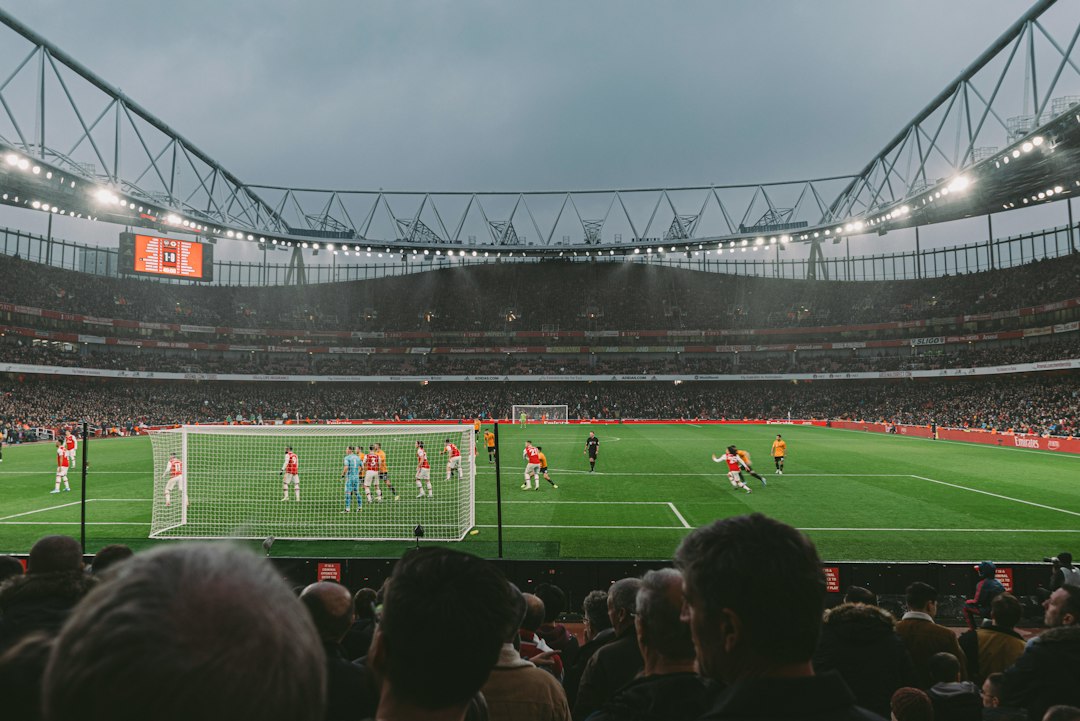
Football matches are split into two distinct halves, and that simple structural fact has given rise to one of the more nuanced markets available in the sport. Half time full time predictions focus on forecasting both the result at the interval and the final result of the match. Understanding how analysts approach this market, and what data informs those opinions, helps any football follower read the selection with more context.
Table of Contents
What the Half Time Full Time Market Actually Covers
The half time full time market, often abbreviated to HT/FT, asks two questions in a single selection. What is the score situation at half time, and what is the score situation when the final whistle blows? A single selection might read “Home/Home”, meaning the home side leads at the break and still leads at the end. Alternatively, it could read “Draw/Away”, meaning the scores are level at half time but the away side finishes in front.
There are nine possible outcomes in total, covering every combination of home, draw and away across the two stages. Because of this, the probability of any single outcome landing is naturally lower than in a standard 1X2 market, which only asks for the full time result across three options.
Analysts who publish half time full time predictions are offering an opinion, based on data and form, about which of these nine combinations is most likely given the specific context of a match.
The Data That Informs HT/FT Analysis
The selection process for a half time full time prediction involves examining several layers of statistical and contextual information.
First-Half and Second-Half Goal Patterns
Not all teams perform identically across both halves. Some sides are historically slow starters, conceding early goals or struggling to register shots on target before the interval, only to impose themselves in the second period. Others build strong first-half leads and manage the game conservatively thereafter. Analysts look at a club’s historical first-half and second-half goal tallies across a season to identify these tendencies.
For example, a team that scores the majority of its goals after the 60th minute presents a very different HT/FT profile compared to a side that dominates the opening exchanges and rarely concedes late.
Head-to-Head History Between the Two Clubs
Historical meetings between two clubs can reveal patterns that go beyond general form. Some fixtures consistently produce a certain rhythm, with one side dominating the first half and the other responding after the break. While head-to-head data should never be treated as a fixed template, it does contribute a meaningful layer to any analytical opinion.
Team News, Suspensions and Tactical Setup
Injuries to key players, particularly central defenders or defensive midfielders, can influence a team’s ability to hold a lead through to half time. A depleted backline or a manager forced into an unfamiliar tactical shape often shows its vulnerabilities in the opening stages of a match. Analysts factor in confirmed absences and likely formations when framing a half time full time opinion.
Why HT/FT Predictions Differ From Standard Match Predictions
A standard match prediction asks simply who finishes in front. The half time full time market requires a more precise opinion because it considers the trajectory of the game, not just its destination.
This added dimension is part of what makes the market interesting from an analytical standpoint. A team could be predicted to win a match, but the question of whether they will lead at half time or come from behind to do so is a genuinely separate analytical challenge.
Consider a home side that frequently falls behind in opening twenty minutes but consistently recovers to take three points. A “Draw/Home” or “Away/Home” selection might reflect that pattern, even when the full time outcome is straightforwardly expected to favour the home side. The HT/FT analysis in this case captures something that a standard prediction does not.
Common HT/FT Combinations and What They Suggest
Analysts tend to focus on certain combinations more than others, depending on the nature of the fixture being examined.
Home/Home is the most intuitive selection when a strong home side is facing a weaker visitor. It suggests dominance across both halves and tends to appear in fixtures with a clear imbalance in league position or form.
Draw/Home is often associated with fixtures where the home team has a known tendency to start cautiously or where the away side is disciplined in defence during the early stages. It reflects an expectation of a turning point in the second half.
Away/Away follows similar logic but in reverse, applied to fixtures where a strong travelling side is expected to press from the first whistle and maintain that position.
The rarer combinations, such as Home/Draw or Home/Away, reflect opinions about collapses in form, significant in-game changes like red cards, or tactical second-half adjustments by the opposition manager.
Reading HT/FT Selections Published by Analysts
When an analyst publishes a half time full time selection, they are offering a single consolidated opinion about how a match unfolds across both halves. The selection will typically be accompanied by reasoning that covers the form of both clubs, relevant head-to-head context, and any notable team news.
Readers approaching these selections benefit from understanding the rationale, not just the selection itself. A “Draw/Away” pick that is explained through the lens of an away side’s strong second-half record and a home side’s historical tendency to tire after the interval is an opinion grounded in observable data, even if that data cannot predict what will actually happen on the pitch.
Football remains unpredictable. A red card, a goalkeeping error, or a substitution can alter the trajectory of any match regardless of what the analysis suggests. HT/FT analysis provides one structured way of looking at a fixture, using the available evidence to form a reasoned opinion about which of the nine outcomes is most plausible.
Frequently Asked Questions
How many possible outcomes exist in a half time full time market?
There are nine possible combinations. Each of the three half time outcomes, home lead, draw, or away lead, can be paired with each of the three full time outcomes, giving nine distinct selections in total.
Does a half time full time prediction always match the standard match prediction?
Not necessarily. A predicted full time winner might still be expected to trail or draw at half time, depending on their historical first-half patterns. The HT/FT selection covers the journey of the match, not just its final destination.
What kind of statistics are most relevant to HT/FT analysis?
First-half and second-half goal records, head-to-head results split by interval, team news affecting defensive structure, and historical comeback or capitulation patterns are all commonly used in half time full time analysis.
Can the HT/FT market apply to all football competitions?
The market is widely available across major and secondary leagues. However, the quality and depth of data available to analysts tends to be greater for higher-profile competitions, where detailed half-by-half statistics are more comprehensively recorded.
Why do analysts sometimes favour rarer HT/FT combinations?
Rarer combinations, such as a home side leading at half time but losing full time, may be supported by specific contextual factors like a team’s poor second-half defensive record or an opponent known for strong finishes to matches. The analysis reflects that specific context rather than general expectation.
Predictions are opinions based on analysis, and no result is guaranteed. This website is for adults aged 18+ and is for information and entertainment only.
See the daily football predictions on the homepage.